


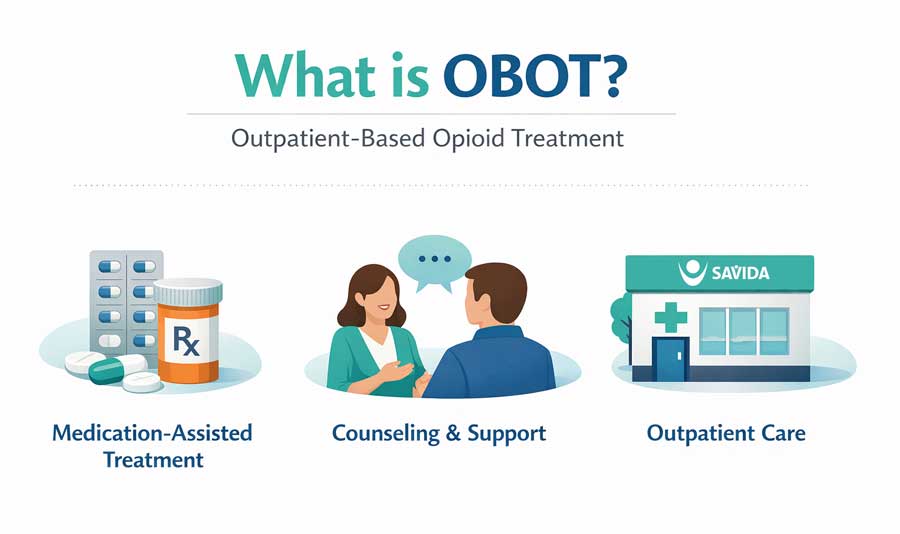
As the outpatient-based opioid treatment (OBOT) industry continues to expand nationwide, SaVida Health is emerging as a leader in building a more sustainable, outcomes-driven model of addiction care.
Recent industry insights highlight a critical shift: growth alone is no longer enough. Long-term success in addiction treatment depends on how well providers collaborate with insurance payers, demonstrate measurable outcomes, and deliver cost-effective care.
Krysta Cass, President of SaVida Health, has emphasized that providers must evolve to “speak the payer’s language”—aligning treatment delivery with the metrics and expectations that drive reimbursement and long-term partnerships.
This perspective reflects a broader transformation across the industry.
Industry Snapshot: Growth Meets Reality
The OBOT model has significantly improved access to treatment for opioid use disorder (OUD), allowing patients to receive care in outpatient settings with less stigma and greater flexibility.
However, as the industry scales, organizations—including SaVida Health, Porch Light Health, and Spero Health—are recognizing a key challenge:
- Expansion without payer alignment is not sustainable
- Reimbursement is increasingly tied to outcomes
- Insurers are prioritizing cost efficiency and long-term results
This marks a turning point in how addiction treatment providers operate.
Medication-Assisted Treatment (MAT): The Foundation of Effective Care
At the core of OBOT is medication-assisted treatment (MAT)—a clinically proven approach that combines FDA-approved medications with counseling and behavioral support.
SaVida Health integrates MAT using medications such as:
- Suboxone® (buprenorphine/naloxone)
- Brixadi® (extended-release buprenorphine)
- Vivitrol® (naltrexone)
- Buprenorphine-based therapies
These medications help reduce cravings, prevent withdrawal symptoms, and stabilize patients, allowing them to focus on recovery.
When paired with counseling, care coordination, and real-world support, MAT significantly improves:
- Treatment retention
- Reduction in illicit opioid use
- Long-term recovery outcomes
This evidence-based model is central to SaVida Health’s ability to deliver both clinical success and payer-aligned value.
Why Payer Partnerships Are Now Essential
The next phase of addiction treatment is being shaped by value-based care—where providers are reimbursed based on outcomes rather than volume. According to industry leaders, including insights reflected in the original analysis, payer partnerships are critical because they:
• Enable broader patient access to care
• Support sustainable reimbursement models
• Align incentives between providers and insurers
• Improve overall healthcare cost efficiency
SaVida Health has positioned itself at the forefront of this shift by building care models that directly address payer priorities.
How SaVida Health Aligns with Payers
SaVida Health’s model is designed to meet both patient needs and insurer expectations through:
1. Measurable Outcomes
• Reduced hospitalizations and ER visits
• Improved treatment retention rates
• Long-term recovery tracking
2. Integrated Care
• MAT combined with behavioral health services
• Individual counseling and care coordination
3. Broad Insurance Acceptance
• Medicaid, Medicare, and commercial plans
• Increased accessibility for underserved populations
4. Data-Driven Decision Making
• Continuous monitoring of patient progress
• Reporting aligned with payer metrics
This approach allows SaVida Health to deliver high-quality care that is also economically sustainable.
How Other Leaders Are Responding
Other providers, including Porch Light Health and Spero Health, are also adapting to this evolving landscape by:
• Investing in data and analytics
• Expanding value-based care initiatives
• Strengthening relationships with insurers
• Focusing on long-term patient outcomes
Together, these organizations are helping reshape the future of addiction treatment.
The Future of OBOT: Value Over Volume
The OBOT model is entering a new phase—one defined not by rapid expansion alone, but by accountability, outcomes, and sustainability.
Providers that succeed will be those that:
• Demonstrate real-world clinical impact
• Align with payer expectations
• Maintain patient-centered care
• Adapt to evolving reimbursement models
SaVida Health is not just adapting to this future—it is helping define it.
Why This Matters to You as a SaVida Health Patient
For you as a patient, this shift toward payer-aligned, outcomes-driven care means better access, more affordable treatment, and a higher likelihood of long-term recovery. When providers like SaVida Health work closely with insurance companies, it helps ensure your care is covered, coordinated, and focused on real results—not just short-term treatment. That means fewer barriers to starting care, more consistent support throughout your recovery journey, and a treatment plan built to help you succeed over time.
This article is based on reporting originally published by Behavioral Health Business, with additional insights and commentary from SaVida Health.