


Why OBOT Success Depends on Payer Partnerships
As the outpatient-based opioid treatment (OBOT) industry continues to expand nationwide, SaVida Health is emerging as a leader in building a more sustainable, outcomes-driven model of addiction care. Recent industry insights highlight a critical shift: growth alone is no longer enough. Long-term success in addiction treatment depends on how well providers collaborate with insurance payers, […]
What Is Buprenorphine and How It Treats Opioid Addiction
What Is Buprenorphine and How It Treats Opioid Addiction Opioid addiction doesn’t just affect the person struggling; it reshapes every relationship, routine, and moment of peace in a family’s life. The financial strain, the sleepless nights, the fear of what comes next: it can feel like there’s no way through. That fear is valid. And […]
Does Suboxone Show Up On A Drug Test?
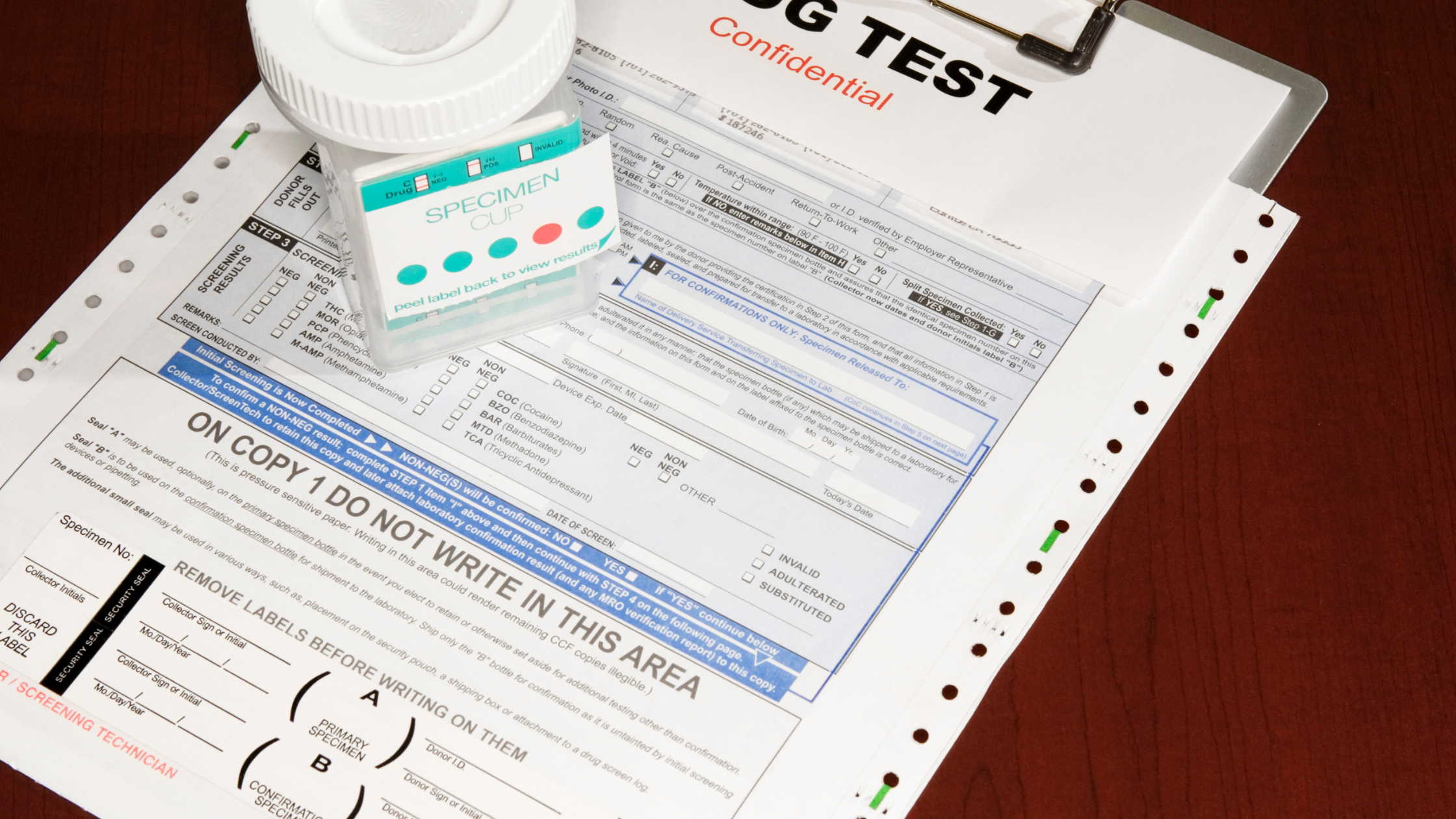
Does Suboxone Show Up On A Drug Test? Even though Suboxone is a legal and prescription medication, many recovery patients worry about it showing up on a drug test, and would prefer their addiction struggles not be disclosed to their employer. Understanding how Suboxone interacts with common testing methods can ease concerns and help patients […]

Why SaVida Health Uses a Selective Approach to Telemedicine for Addiction Treatment
Key Takeaways: Effective Rehab Treatment Alternative: Research confirms that telemedicine significantly reduces substance use and improves treatment retention, offering clinical outcomes comparable to traditional in-person care. A “Stability-First” Selective Approach: SaVida Health reserves virtual visits for patients who have demonstrated consistency and progress in their recovery, ensuring safety and accountability aren’t compromised. Enhanced Accessibility: Telemedicine […]
Recovery Day 2026 in Vermont: Honoring Dr. Nels Kloster’s Lifetime Commitment to Care
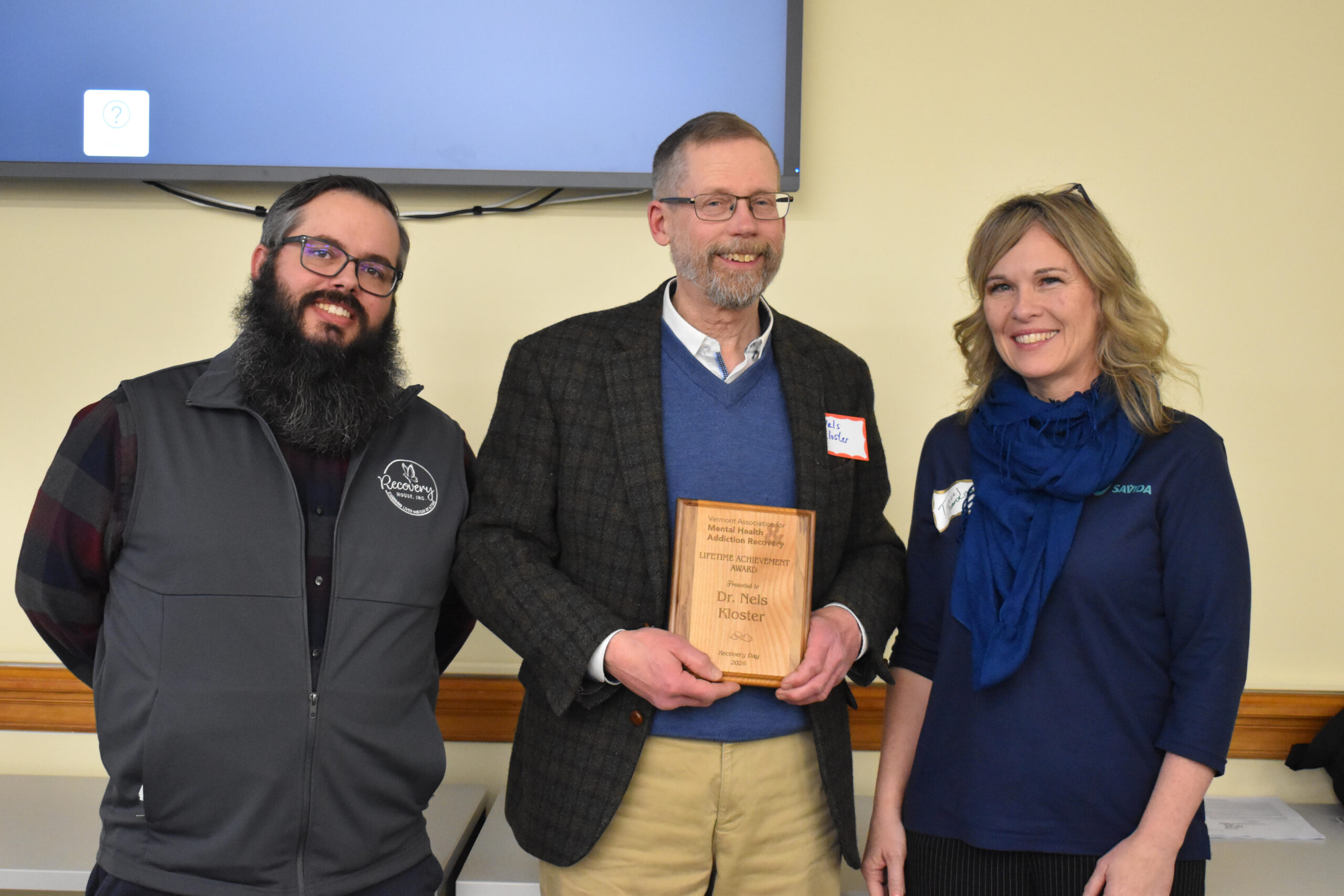
We are proud to recognize Dr. Nels Kloster, addiction psychiatrist at SaVida Health, as a Lifetime Achievement Award recipient On Recovery Day 202

Outpatient vs Inpatient Rehab: Understanding Your Rehabilitation Treatment Options
For many people, a rehabilitation program, or rehab, can be a key component of the addiction recovery process. There are many different types of rehab programs that highlight varying treatment methodologies. It can be difficult to determine what type of facility best suits your needs, and the pressure to choose correctly can be overwhelming. However, […]

Methadone vs. Suboxone: Is Suboxone a Good Alternative Treatment to Methadone?
If you are currently taking Methadone as part of your addiction treatment plan, you are likely no stranger to the frustrations and challenges that can come with the medication. Commonly reported challenges include issues with efficacy, inconvenience of daily clinic visits and a long list of side effects that may be limiting your lifestyle. For […]
Life After Rehab | What to Expect & How SaVida Can Help
Completing a rehab program represents a significant achievement and an important milestone in your recovery journey. However, many people find themselves wondering what comes next. Life after rehab can feel both hopeful and uncertain, filled with new possibilities alongside real challenges that require ongoing attention and support. Research shows that the transition period following residential […]
Why Choose Savida Health in Clintwood, VA for Outpatient Alcohol Rehabilitation?
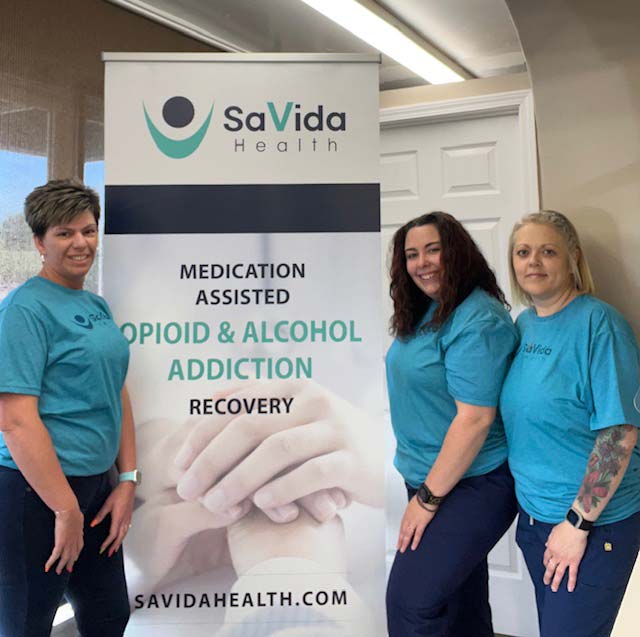
Struggling with alcohol addiction is a battle that many face, but at Savida Health in Clintwood, VA, we provide compassionate and comprehensive outpatient alcohol rehabilitation to support your journey toward recovery. Our evidence-based programs are tailored to meet the needs of each individual, making treatment both effective and accessible. With a focus on flexibility and […]

Healing Happens Here: What Our Patients Say About SaVida Health
We know recovery is personal and that no two journeys are alike. But there’s a common thread in our patients’ stories: they feel heard, supported, and empowered. Across Virginia and beyond, patients speak up about their life-changing care at SaVida Health. Their words reflect our mission: to deliver compassionate, accessible, and evidence-based addiction treatment that […]